

Blog
How Runners Can Benefit from the Pelvic Chair

Telling runners to take it easy is no small ask. Many of us are so passionate about running that we’ll push through shin splints, knee pain, even a pulled hamstring, just to get our miles in. And when pelvic floor issues show up, we often take the same approach: tolerate the leaks, manage the pain, and adjust our routines to cope.
Whether it's wearing black tights to hide accidents or mapping out routes with bathroom stops in mind, we find ways to keep going. But just like ignoring injuries can land you sidelined, brushing off pelvic floor symptoms can make them worse, and may even hold you back from reaching your running goals.
That’s why we’ve put together this quick cheatsheet: to cover the pelvic floor basics and help you know when it’s time to come experience Pelvic Care.
Your Pelvic Floor - A Vital Part of Your Core
Your pelvic floor is a group of muscles, ligaments, and connective tissues that form a supportive “hammock” at the base of your pelvis.
These layers provide essential support for your pelvic organs including the bladder, uterus, and rectum, and help stabilize the entire pelvic area.Working in harmony with your core and hip muscles, the pelvic floor plays a vital role in:
- Controlling bowel and bladder function.
- Supporting sexual health and function.
- Stabilizing the lower back and pelvis during movement.
- Promoting healthy blood flow in the pelvic region.
- Aiding in breathing and regulating pressure within the abdomen
Symptoms of Pelvic Floor Dysfunction
A weak pelvic floor can manifest in various ways, impacting a runner's performance.
Watch out for these pelvic floor symptoms during or after a run:

- Leaking urine or stool
- Sudden, hard-to-control urges to pee or poop (urgency)
- Feeling like you need to go again soon after using the bathroom (frequency)
- A heavy or dragging sensation in the pelvis, like something is “falling out”
- Pain in the lower back, tailbone, pubic bone, or pelvic area (Pelvic pain or pressure)
- Reduced core strength and stability leading to injuries
And even when you're not running, you might notice:
- Pain or difficulty when urinating
- Constipation or needing to strain to have a bowel movement
- Discomfort or pain with vaginal penetration (during sex or inserting a tampon)
- Sexual concerns, such as weak, delayed, or painful orgasms
According to some studies, nearly a quarter of elite runners may experience pelvic floor dysfunctions.
How the Pelvic Chair Can Help Runners
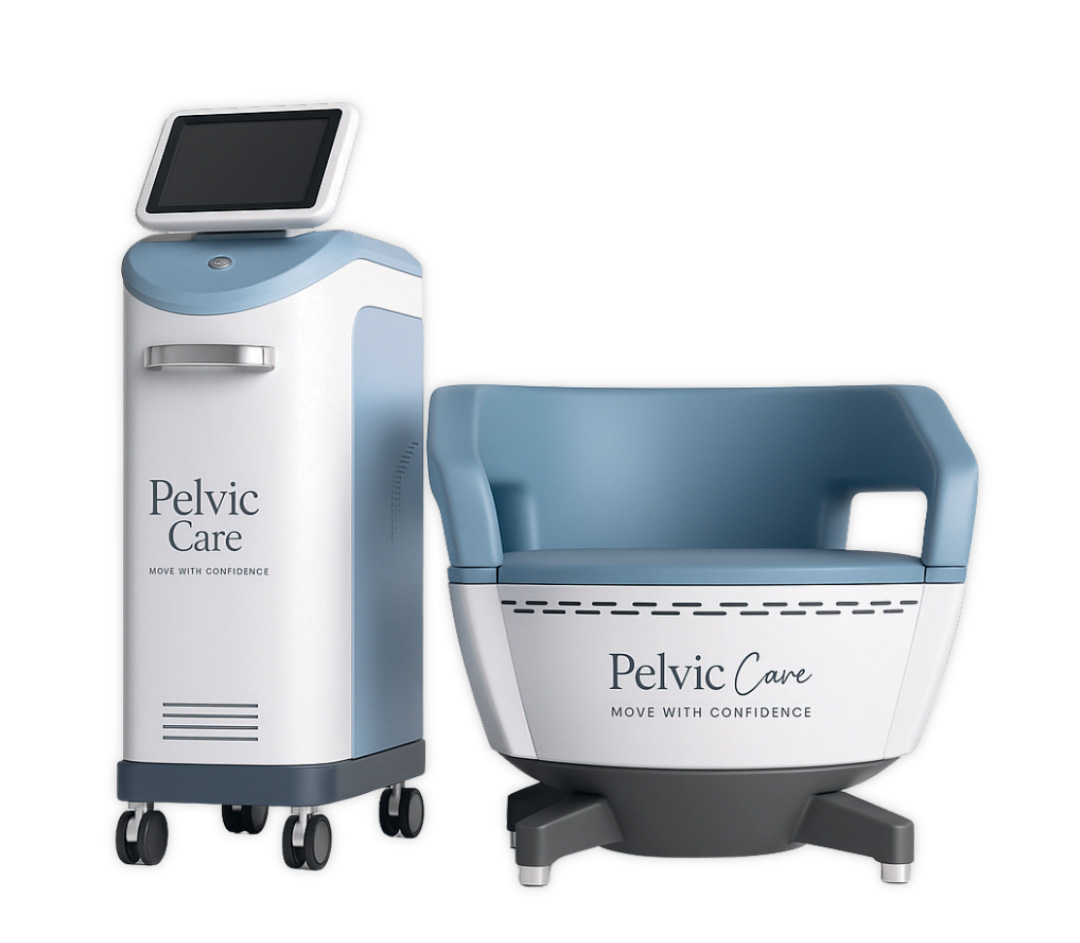
The Pelvic Chair is a game-changer for runners facing pelvic floor issues. The Pelvic Chair offers a non-invasive, targeted way to strengthen and retrain the pelvic floor muscles without the need for awkward exercises or internal exams.
By delivering high-intensity electromagnetic stimulation while you remain fully clothed, the chair activates thousands of deep muscle contractions in just one session. For runners, this means improved pelvic control, better core stability, reduced risk of injury, and less worry about leaks mid-run.
It’s an effective, time-efficient tool for both injury prevention and recovery, so you can focus on the miles ahead.
Key Benefits of Using the Pelvic Chair

- Enhances pelvic floor strength and function
- Improves bladder control
- Boosts core stability for better running posture
- Reduces lower back pain often linked to weak pelvic support
You wouldn’t likely quit running just because you have knee pain. With proper rehab you can continue running for years to come. Well, the same is true if you have symptoms of pelvic floor dysfunction.
Runners can transform their performance and comfort by addressing pelvic floor health. By incorporating the Pelvic Chair into your routine, you'll strengthen vital muscles, reduce discomfort, and unlock new potential in your running journey.
Don't let a weak pelvic floor hold you back. Embrace this innovative solution for a stronger, more stable run.