
Blog
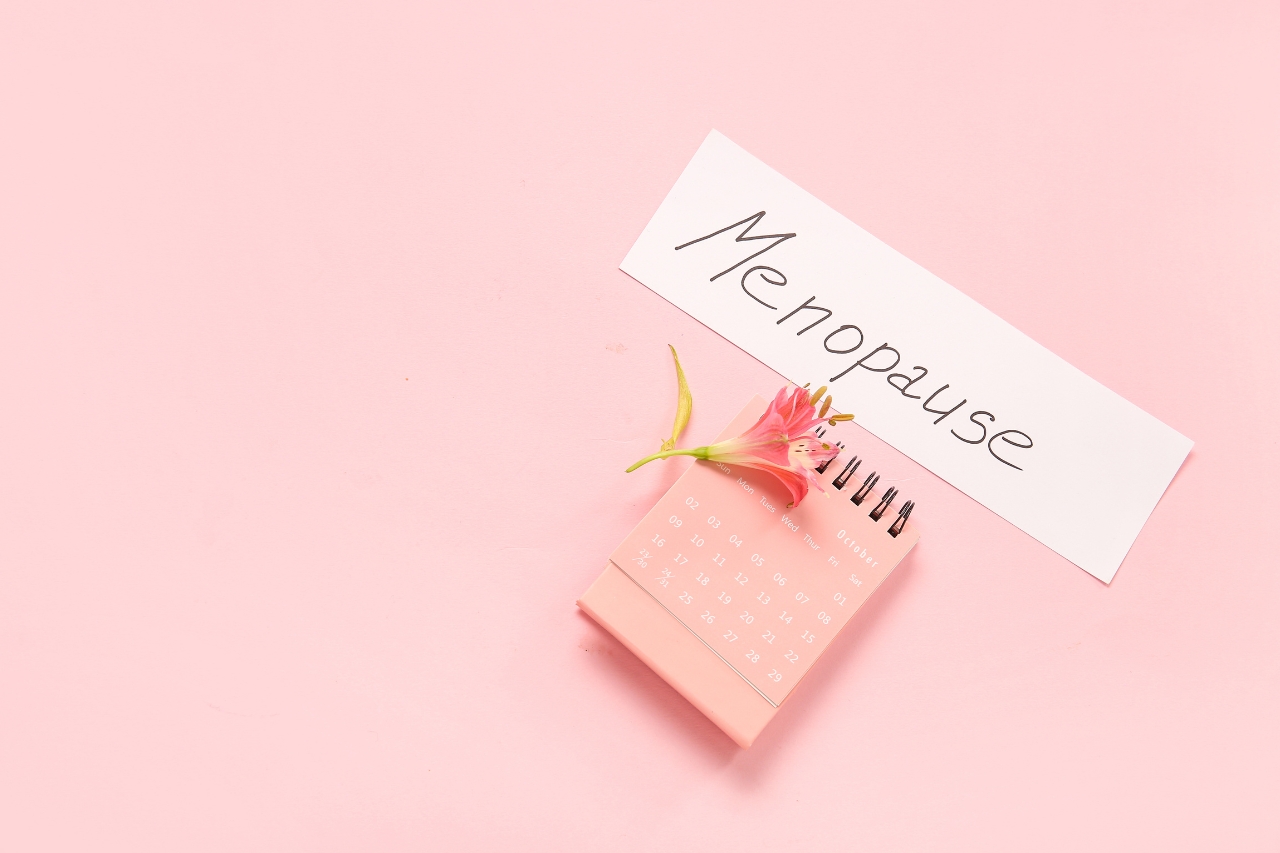
What Menopause Does to Your Pelvic Floor (And What You Can Do About It)

Related Posts

Pelvic Floor Recovery After Hysterectomy

Pelvic Floor Recovery After Hysterectomy: What Your Body Needs Next
Hysterectomy recovery is often spoken about in practical terms: res...
Overactive Bladder Symptoms: What Can Help?
Overactive Bladder Symptoms: Why You Always Need the Toilet and What Can HelpOveractive bladder symptoms can make life feel smaller. Yo...
Pelvic Organ Prolapse: Non-Surgical Treatment
Pelvic Organ Prolapse: What It Is, Why It Happens, and How to Treat It Without SurgeryThe moment a woman hears the words "pelvic organ ...
Pilates and Pelvic Care: Q&A with Claudia Sugison
Pilates is highly effective for pelvic care by strengthening the deep core, transverse abdominis, and glutes, which directly support pe...

Pelvic Floor Therapy Explained: Q&A with Physiotherapist Marna Snyman
At Pelvic Care we are not only proud of the results that are achieved for clients who have completed sessions with our Pelvic Chair, bu...

Men’s Sexual Health and the Pelvic Floor
Sexual health challenges affect many men at some point in their lives. While medication is often the first solution considered, it does...

Male Bladder Control and the Pelvic Floor
Bladder control issues in men are far more common than most people realise. From urine leakage during exercise or laughter to difficult...

Sexual Wellness and Pelvic Floor Health: Beyond urinary continence
Beyond urinary continence, the functionality of the pelvic floor is closely tied to sexual wellness and health. Strong pelvic floor mus...

How Pelvic Floor Therapy Changed My Life: Ané’s Story
I’m Ané Kitshoff, and this is my journey with pelvic floor therapy.
In 2022, I became a mom after years of struggling with endometri...

Why the Pelvic Floor is the Most Neglected Part of Our Bodies
When we think about health and fitness, we often focus on the muscles we can see - toned abs, strong legs, or a lean back.
But hidd...

How Runners Can Benefit from the Pelvic Chair
Telling runners to take it easy is no small ask. Many of us are so passionate about running that we’ll push through shin splints, knee ...

Unlocking the Power of Pelvic Floor Muscles
The pelvic floor muscles (PFM) play a crucial role in maintaining the health and functionality of our bodies. Unfortunately, factors su...